
I’m writing the content for a Podcast I’m creating, Creative Space Mastery.
As I’m doing this, Creative Space Mastery, I have been thinking of my favourite resources in building my creative process…
I thought it would be useful to share:
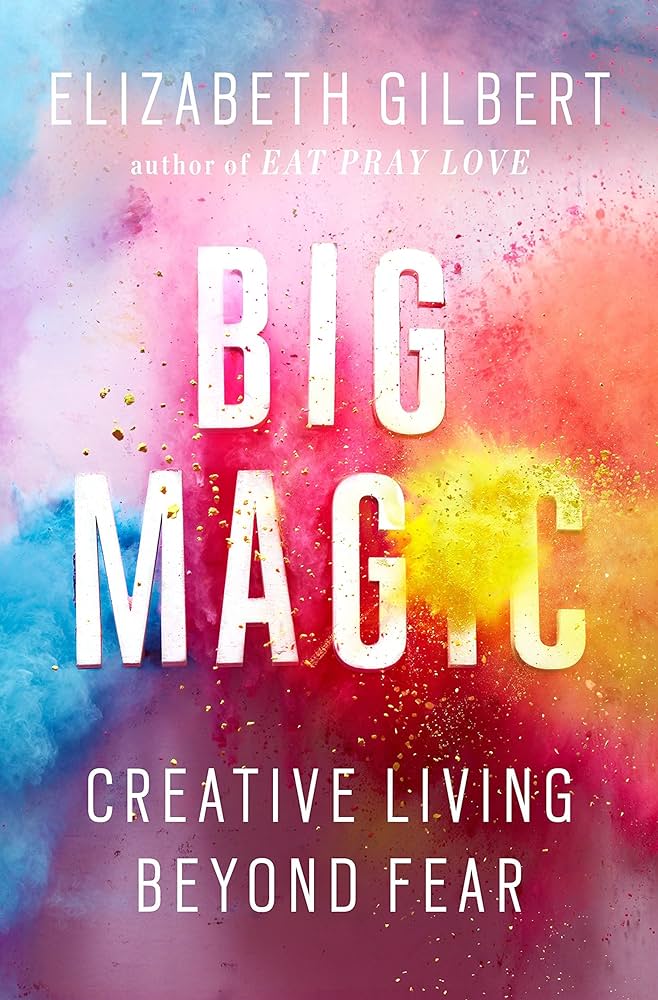
Big Magic, Elizabeth Gilbert
For me, the best lesson Elizabeth Gilbert writes in this book is about the creative genius being outside of the creator, that we just have to make space and hone the artistic ability to make it justice.
This book is the one I would make a must-read to anyone in the throws of creation. It stokes a fire into the desire to create, bursts any perfectionism away, and stops you from delving into any failures of the past.
I think another lesson and the reason she was so successful with Eat Pray Love, is to bring to the world the concept that artists do not have to be tortured to create, contained in Big Magic. That lesson alone is a great kindness to the world, and the fact that she has been heard, is for me the connecting of the dots, the reason why everything happened for her the way it happened.
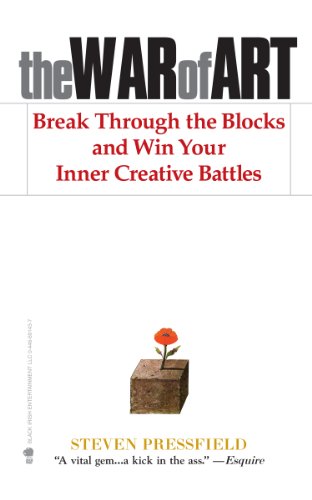
The War of Art, Steven Pressfield
This was my first encounter with the concept of the resistance that creating something can impose on an artist or creator. How hard it can be to finish something, and how just reaching completion is already an achievement.

The Icarus Deception: How High Will You Fly? Seth Godin
Seth Godin explores in depth the concepts of resistance and completion, and talks about pushing boundaries and pursuing audacious goals, this was a book that stayed with me and I call it my Green Book, it’s a sort of a bible on how to push through, and separate lack of inspiration from resistance.

On Writing: A Memoir of the Craft, Stephen King
Stephen King gave me another piece of the puzzle, my favourite part is when he talks about writing as archeology, the writer uncovering a story, not creating it, similar to Liz Gilbert, the story is outside the creator.
These authors are always great at showing us how they are just people like us, who started from nothing and grew through much work and even though success seems obvious from the outside it didn’t feel any obvious from the inside.

The Novel Project: A Step-by-Step Guide to Your Novel, Memoir or Biography, Graeme Simsion
Graeme’s is a practical guide, and what I liked about this is to show how there are many more steps to creating something than just the one part, for example, to create a novel, the writing in itself is only a little bit.
When a person is creating anything, you can’t consider just that one little part you like the best. In Big Magic, Elizabeth Gilbert calls that the sh$t-sandwich. There are parts you will love and parts you will not like so much, it will come with all crafts and choices.
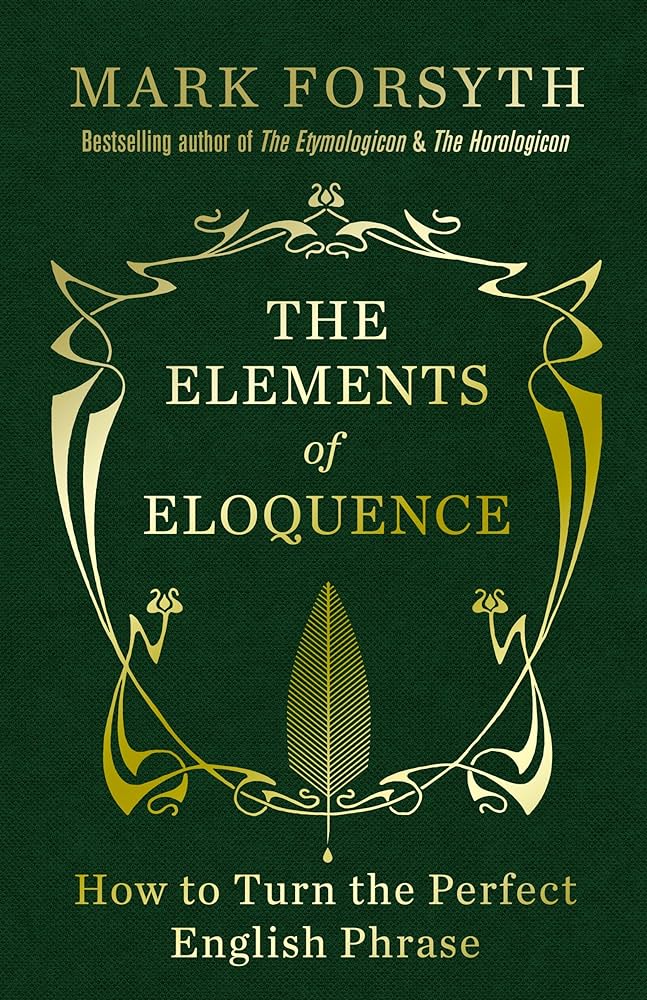
The Elements of Eloquence: How To Turn the Perfect English Phrase, Mark Forsyth
This is for writers, but also for anyone who needs to write as part of their creative process. And if you like language, this is a fun and funny read!
The Elements of Eloquence is hilarious, I expected a dry book impossible to endure and it made me laugh out loud, I learnt a lot, it took my writing to another level and at the same time explained why I write in a certain way and use certain elements already.
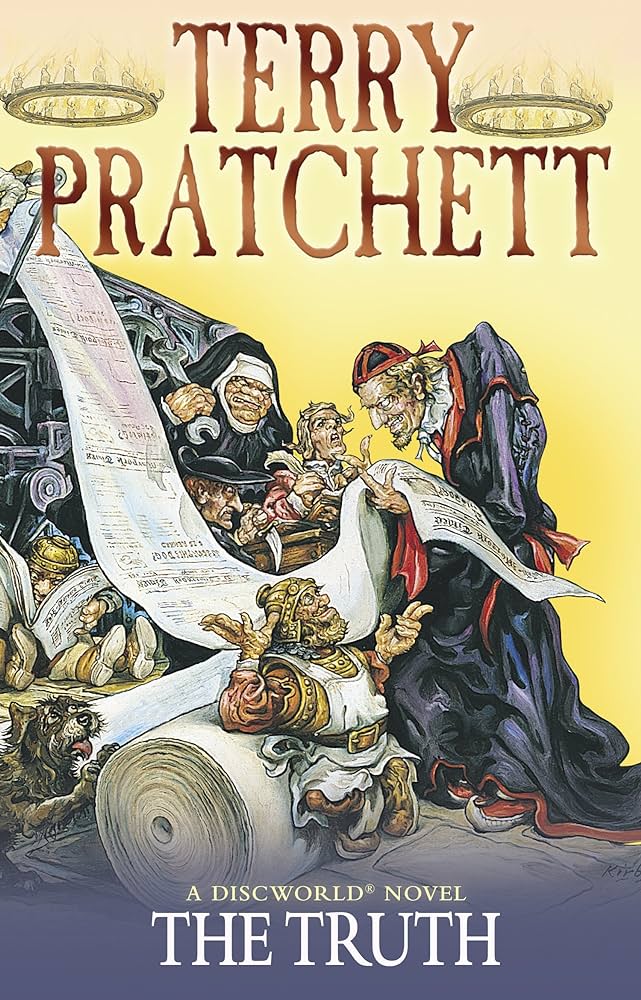
The Truth, Terry Pratchett
The Truth is fiction, in a fictional world full of vampires and goblins, and it’s the 25th book in the Discworld series, but Terry Pratchett is a master at stripping the world of its trimmings and bringing reality to its bare bones and showing it to you outside of our assumed conventions.
The Truth is about the invention of the press and the power of the written word. It contains so much wisdom in wit and comedy that you have to read it with your brain turned on or you could just laugh and miss the best of the book.
“The young man is also an idealist. He has yet to find out that what’s in the public interest is not what the public is interested in.”
“You cannot apply brakes to a volcano. Sometimes it is best to let these things run their course. They generally die down again after a while.”
― Terry Pratchett, The Truth
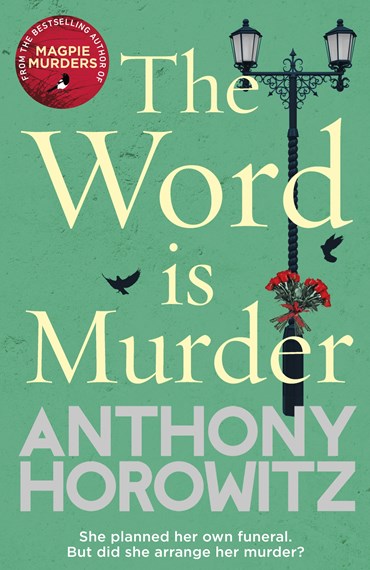
The Word is Murder, Anthony Horowitz
In another work of fiction, Anthony H. Makes himself a character interacting with a fictional detective and through transforming himself into the narrator we are given insights into his creative process. A fun way to be immersed in an artist’s humble and self-deprecating, day-to-day struggles while creating.
While you know his interactions with his frustrating detective aren’t real, the writing process, and filming interactions, are definitely based on his reality. I loved being there, being part of it, and knowing how frustrating it can be and that being famous and making it doesn’t make any difference to the process itself. The struggles are the same.
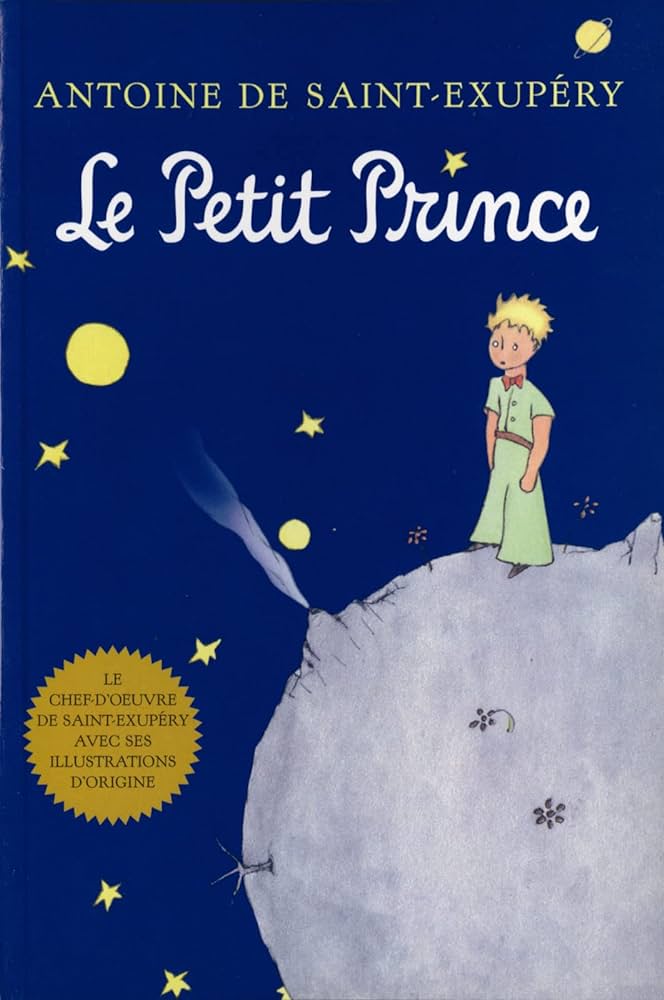
The Little Prince, Antoine de Saint-Exupéry
It is a favourite for many people for a reason, it teaches us to see the world with creative eyes, with inspiration, with possibility; it is the book that taught innovation before the word was trending.
It is the book that taught us to see the elephant inside the boa constrictor instead of a simple hat.
Inspiration for Writers, Emily Darcy
I have a collection of mini-books around me, Inspiration for Artists, Quotes about Coffee, Never Stop Dreaming, It’s Going to be Okay, mini-books that spoke to me, some I bought from used bookshops and others new.
I read a quote here and there to inspire me, or when I’m stuck.
They help. They push me forward. They provide guidance, sometimes, they are an oracle too!
 writtenlife.me